
Transform Your Cooking with Nigerian Spices
Nigerian cuisine is a vibrant tapestry of flavors, colors, and aromas that reflect the rich cultural heritage of the country. One of the key elements that make Nigerian dishes so unique and delicious is the use of spices. These spices not only add depth and complexity to the food but also bring out the authentic taste that defines Nigerian cooking. Whether you are a seasoned chef or a home cook looking to experiment, incorporating Nigerian cooking spices into your kitchen can transform your meals and elevate your culinary experience.
Discovering the Essence of Nigerian Cooking Spices
Nigerian cooking spices are a blend of aromatic seeds, dried herbs, and ground powders that create the foundation for many traditional dishes. These spices are often combined with fresh ingredients like peppers, onions, and garlic to produce bold and exciting flavors. Some of the most popular spices include:
Calabash Nutmeg (Ehuru): Adds a warm, nutty flavor with a hint of sweetness.
Uziza Seeds: Known for their peppery and slightly bitter taste.
Alligator Pepper: A spicy seed that enhances soups and stews.
African Black Pepper (Uda): Offers a smoky and pungent flavor.
Grains of Selim: Imparts a musky, aromatic note to dishes.
Using these spices correctly can make a significant difference in your cooking. For example, adding a pinch of alligator pepper to your pepper soup can intensify the heat and aroma, making the dish more authentic and enjoyable.

Close-up view of assorted Nigerian spices in wooden bowls
How Nigerian Cooking Spices Enhance Your Meals
Incorporating Nigerian cooking spices into your recipes does more than just add flavor. These spices have been used for centuries not only for their taste but also for their health benefits and preservative qualities. Here’s how they can enhance your meals:
Boost Flavor Profiles: Nigerian spices bring a unique blend of heat, sweetness, and earthiness that can transform simple ingredients into a feast for the senses.
Improve Digestion: Many spices like ginger and alligator pepper aid digestion and reduce bloating.
Add Nutritional Value: Spices such as turmeric and cloves contain antioxidants and anti-inflammatory properties.
Preserve Food: Some spices have natural preservative effects, helping to keep food fresh longer.
For example, when making jollof rice, a staple Nigerian dish, the addition of nigerian spices like thyme and curry powder can elevate the dish’s aroma and taste, making it more vibrant and satisfying.
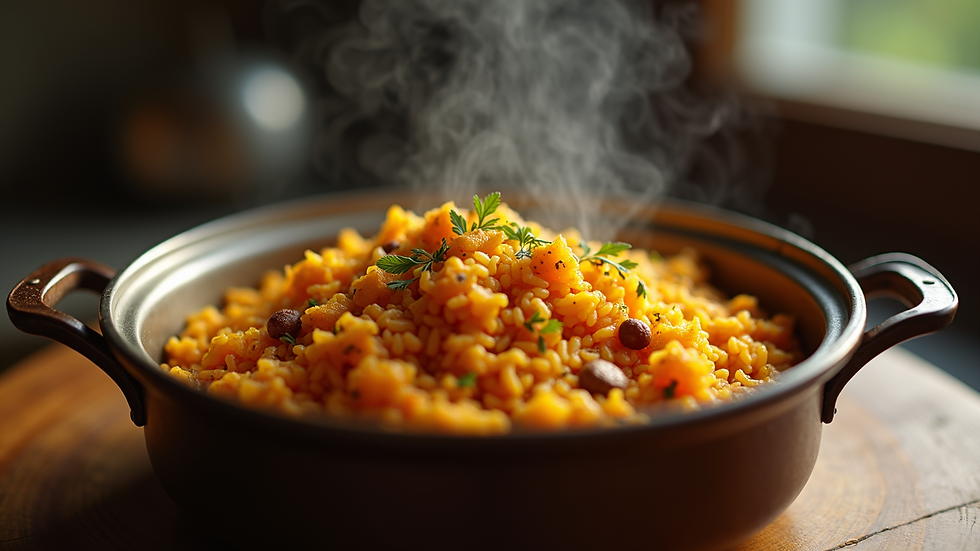
Eye-level view of a pot of Nigerian jollof rice with spices
What are the African Spices and Herbs?
African spices and herbs are diverse and vary widely across the continent, but many are integral to Nigerian cooking. These spices and herbs are often sourced from local plants and seeds, each contributing distinct flavors and health benefits. Some common African spices and herbs used in Nigerian cuisine include:
Basil (Efirin): Adds a sweet and slightly peppery flavor.
Scent Leaf (Efirin): Known for its aromatic and refreshing taste.
Bitter Leaf (Onugbu): Used for its bitter flavor, often in soups.
Uda Seeds: Provide a smoky, peppery taste.
Cloves: Impart a warm, sweet, and slightly bitter flavor.
These herbs and spices are often used fresh or dried and ground into powders. They are essential in dishes like egusi soup, ogbono soup, and pepper soup, where their flavors shine through and complement the main ingredients.

High angle view of fresh African herbs and spices on a wooden table
Practical Tips for Using Nigerian Cooking Spices
To get the most out of Nigerian cooking spices, it’s important to understand how to use them effectively. Here are some practical tips:
Start Small: Nigerian spices can be potent. Begin with small amounts and adjust to taste.
Toast Spices: Lightly toasting whole spices before grinding can enhance their flavor.
Combine Wisely: Some spices complement each other well, such as thyme and curry powder, while others may overpower.
Store Properly: Keep spices in airtight containers away from heat and light to maintain freshness.
Experiment with Blends: Try creating your own spice blends to suit your taste preferences.
For example, when preparing suya, a popular Nigerian street food, marinate the meat with a blend of ground peanuts, cayenne pepper, paprika, and ginger for an authentic spicy and nutty flavor.
Bringing Nigerian Spices into Your Everyday Cooking
Incorporating Nigerian spices into your daily cooking can be simple and rewarding. Here are some ideas to get started:
Spice Up Your Soups and Stews: Add a pinch of alligator pepper or uziza seeds to traditional soups for an extra kick.
Enhance Rice Dishes: Use thyme, curry powder, and bay leaves to flavor rice dishes like jollof or fried rice.
Create Flavorful Marinades: Combine Nigerian spices with oil and citrus juice for delicious meat or fish marinades.
Make Homemade Spice Blends: Mix your favorite Nigerian spices to create custom blends for grilling or roasting.
Add to Sauces and Condiments: Incorporate spices into sauces to complement grilled meats or vegetables.
By experimenting with these spices, you can bring the rich flavors of Nigerian cuisine into your kitchen and impress your family and friends with authentic, delicious meals.
Exploring the world of Nigerian cooking spices opens up a new dimension of flavor and culinary creativity. With their unique aromas and health benefits, these spices are a valuable addition to any kitchen. Whether you are preparing a traditional Nigerian dish or adding a twist to your favorite recipes, Nigerian spices offer endless possibilities to transform your cooking. Embrace the bold and vibrant tastes of Nigeria and let your meals tell a story of culture, tradition, and passion.


Comments